Colon Cancer Screening
Expert care from board-certified family medicine physicians in Frisco, TX.
Colon Cancer Screening
What is Colon Cancer?
Colon cancer, also known as colorectal cancer, is a condition characterized by the uncontrolled growth of cells in the colon or rectum. The colon, or large intestine, processes waste products, while the rectum acts as the passage between the anus and the colon. Abnormal growths, called polyps, can develop in these areas and, in some cases, may become cancerous over time. Fortunately, screening tests can detect polyps early, allowing for their removal before they progress to cancer. Early detection through screening is crucial, as it significantly increases the effectiveness of treatment.
Symptoms of colon cancer can include unexplained weight loss, diarrhea, changes in bowel movements, constipation, abdominal pain, severe cramps, and persistent changes in bowel habits. Risk factors for colon cancer increase with age and include conditions such as ulcerative colitis and Crohn's disease. Genetic conditions like hereditary non-polyposis colorectal cancer (Lynch syndrome) and familial adenomatous polyposis (FAP) also heighten risk. Additionally, a sedentary lifestyle, poor diet, obesity, smoking, and excessive alcohol consumption are associated with a higher likelihood of developing colon cancer.

Colon Cancer Screening
1. Stool Tests
The guaiac-based fecal occult blood test (gFOBT) utilizes the chemical guaiac to detect blood in the stool. This test is typically performed once a year. We will provide you with a test kit for this purpose. At home, you will use a stick or brush to collect a small stool sample. Once you return the test kit, we will analyze the samples to check for the presence of blood.
The stool DNA test, also known as the FIT-DNA test, examines stool samples for altered DNA. To complete this test, you need to collect an entire bowel movement and submit it to a laboratory. The lab will then analyze the sample for both blood and changes in DNA.
2. Computed tomography (CT) colonography
Computed tomography (CT) colonography, commonly known as virtual colonoscopy, combines X-ray technology and computer imaging to produce detailed images of the entire colon. These images are displayed on a computer screen, allowing us to examine them thoroughly and efficiently.
3. Flexible Sigmoidoscopy
During a flexible sigmoidoscopy, a flexible, thin tube is gently inserted into the rectum. This procedure allows us to examine the rectum and the lower third of the colon for signs of cancer or polyps.
4. Colonoscopy
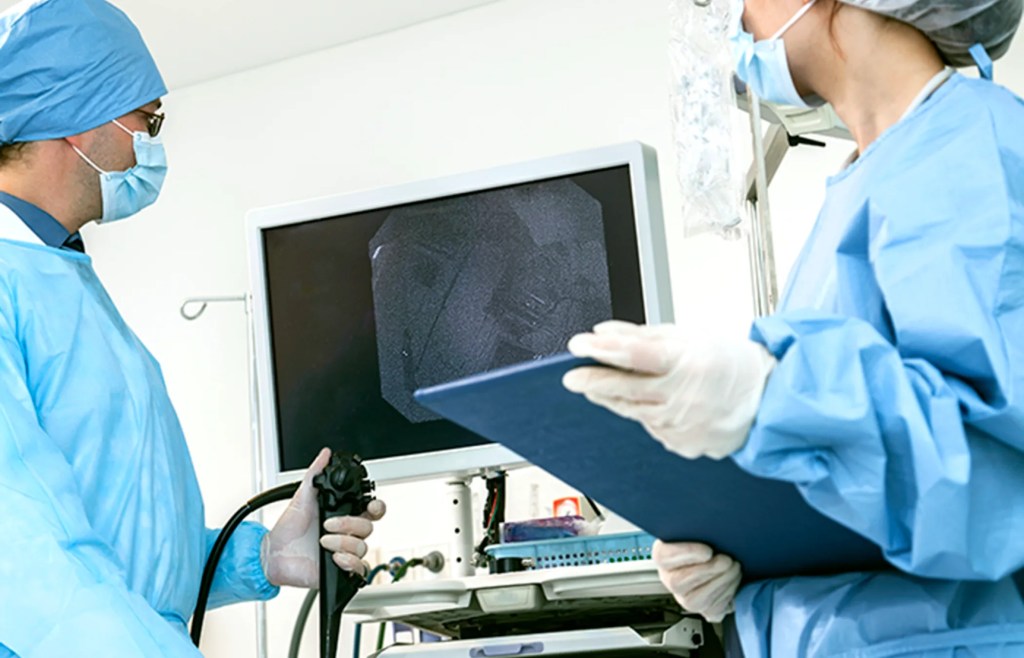
A colonoscopy is similar to a flexible sigmoidoscopy, but it allows us to examine the entire colon rather than just the lower third. During this procedure, a lighted, flexible tube is inserted into the rectum to provide a comprehensive view of the colon. This enables us to identify and remove cancers and most polyps during the examination.
Ready to Get Started?
Same/next day appointments available. Book online in seconds.
Book Appointment Online (972) 782-2588Other Services
- Chronic Illness
- High Blood Pressure Treatment
- Cholesterol Treatment
- Diabetes Treatment
- Asthma Treatment
- Breast Cancer Screening
Evolve Health Family Medicine
8501 Wade Blvd, Suite 1140
Frisco, TX 75034
Mon-Thu: 8AM - 5PM | Fri: 8AM - 2PM
We also offer self-pay options. Contact us for further details.
Frequently Asked Questions
Do I need a referral to see a specialist?
What should I bring to my first appointment?
Do you offer same-day or next-day appointments?
What insurance plans does Evolve Health accept?
Can I book an appointment online?
Get Expert Colon Cancer Screening in Frisco, TX
Contact Evolve Health Family Medicine to schedule an appointment today. We offer flexible hours to ensure you receive the quality medical care you deserve.