12 Essential Comprehensive Health Screenings You Should Know About


In today’s fast-paced world, taking charge of our health is more important than ever. Comprehensive health screenings play a crucial role in early detection and prevention, ensuring that we stay on top of our health game. Whether you’re a health enthusiast or just starting to prioritize your wellbeing, this guide covers the twelve essential screenings that everyone should be aware of. Let’s explore what they are and why they matter.
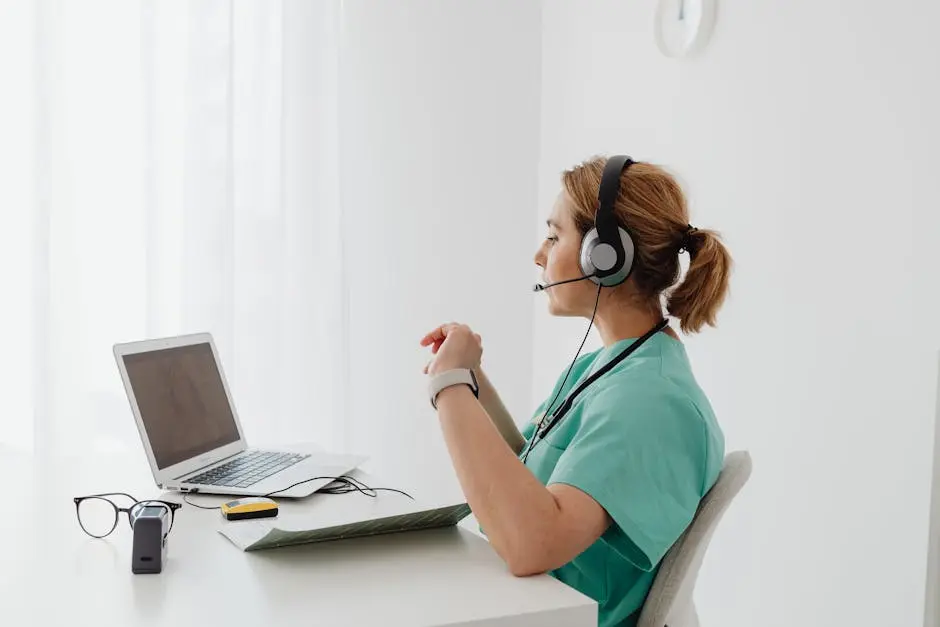
1. Blood Pressure Check
Monitoring your blood pressure is vital for detecting hypertension, which can lead to serious health issues. Regular checks help you stay informed about your cardiovascular health. High blood pressure often goes unnoticed since there may not be any immediate symptoms. That’s why a routine blood pressure check, which usually takes just a few minutes, can be life-saving. You’re not just keeping an eye on those numbers; you’re giving yourself the power to make informed decisions about your health.
What’s even more fascinating is how lifestyle choices can influence your blood pressure. From diet to stress levels, myriad factors can play a role. Perhaps you’re considering incorporating more potassium-rich foods to balance out sodium, or maybe you’re journeying into mindfulness techniques to better manage stress. These small changes can offer significant rewards for your cardiovascular health over time.
2. Cholesterol Screening
Cholesterol levels can significantly impact your heart health, making regular cholesterol screenings an essential part of your healthcare routine. Not only does this test measure your total cholesterol, but it also breaks it down into LDL (bad) cholesterol and HDL (good) cholesterol. This understanding can guide lifestyle changes and potential treatments that can alter the course of your health.
For many, the thought of getting their cholesterol levels checked can seem daunting. Yet, this simple test can unveil a lot about your heart’s condition. If those numbers aren’t where they should be, your healthcare provider can help outline a path forward. This might involve dietary adjustments, increased physical activity, or medications, depending on your specific circumstances. Embracing a heart-healthy lifestyle today can pave the way for better health tomorrow.
3. Blood Sugar Test
This screening is essential for identifying prediabetes or diabetes. Early detection allows for timely interventions to prevent complications, which is critical in managing your overall health effectively. The blood sugar test often involves a simple blood draw, but the information it provides is invaluable. Reading those numbers can be life-changing.
You might be surprised to know that many people are unaware that they have high blood sugar levels. This hidden condition can lead to serious complications over time, including heart disease or nerve damage. So if you find yourself asking, “What can I do to lower my blood sugar?” remember that small changes in diet, exercise, and routine monitoring can have lasting impacts.
4. Body Mass Index Assessment
BMI is a simple calculation that helps categorize your weight relative to your height. While it has its limitations, it’s a useful screening for assessing obesity-related health risks. Having a proper understanding of your BMI can act as a prompt for taking a closer look at your health journey.
It’s worth noting that BMI doesn’t account for muscle mass, so a very athletic person might register as overweight or obese. Therefore, it’s crucial to combine your BMI with other health indicators and metrics for a well-rounded view of your health. Engaging with a health professional can help in interpreting these numbers effectively, taking into consideration other important factors such as your activity level and existing health conditions.
5. Cancer Screenings
Various screenings are available for different types of cancer, including mammograms for breast cancer and colonoscopies for colorectal cancer. Early detection is key to successful treatment, making awareness of recommended screening schedules a vital aspect of maintaining your health. These screenings may seem intimidating, but they serve as your best ally in battling cancer.
Understandably, many people have apprehensions about cancer screenings due to potential discomfort or anxiety associated with the tests. However, the peace of mind that comes from knowing your health status and catching potential issues early is far more rewarding. Discussing these concerns with your healthcare provider can help alleviate fears and foster a proactive approach to health.
6. Vision Exam
Regular eye exams are essential for maintaining vision health and detecting conditions such as glaucoma. Protecting your eyesight is an important aspect of overall wellbeing that many tend to overlook until issues arise. Think about it: our eyes are often termed the windows to our soul, but they also provide critical insights into our health.
Routine vision exams not only assess the clarity of your vision but also delve deeper into your overall health. They can reveal signs of chronic conditions like diabetes or hypertension that may manifest in your eyes before other symptoms appear. Committing to eye exams can safeguard your visual health and ensure you maintain that clear view of life for years to come.
7. Hearing Test
Hearing loss can affect anyone, and regular assessments can help detect issues early. Early intervention can significantly improve quality of life. Think about the conversations we have every day; they connect us to others. That’s why keeping track of our hearing is paramount, especially as we age.
Many people may hesitate to get a hearing test, believing that their hearing is just fine. However, minor impairments can go unnoticed until they begin to impact your communication and social interactions. A simple hearing test can either confirm that everything is okay or guide you toward solutions that can greatly enhance your hearing capabilities.
8. Skin Examination
A thorough skin check helps identify potential skin cancers and other skin conditions. Being proactive can lead to better outcomes if any issues arise. Skin health often gets sidelined, yet it is the largest organ of the body, deserving special attention. Knowing what to look for, such as new moles or changes in existing ones, puts you in the driver’s seat of your skin health.
Additionally, scheduling annual dermatology visits can catch early signs of skin problems before they escalate. Consider it as your routine wellness check, akin to any other health screening. Remember, taking some time to focus on skin care can contribute significantly to your overall health.
9. Bone Density Test
Assessing bone health is crucial, especially for older adults. A bone density test can help evaluate your risk of fractures and osteoporosis. This screening is often recommended for postmenopausal women and older men, but the truth is — understanding your bone health can be beneficial for everyone, regardless of age.
Low bone density can lead to fractures from minor falls, impacting mobility and quality of life. By addressing bone health proactively, you can take actions such as engaging in weight-bearing exercises and ensuring you receive adequate calcium and vitamin D. Embracing good bone health habits today can decrease the risk of complications tomorrow.
10. Vaccination Updates
Staying up-to-date with vaccinations protects you against preventable diseases. Regular assessments and updates are essential for maintaining immunity. In an age where vaccine discussions have become increasingly prominent, understanding their importance cannot be overstated.
Vaccines not only protect you but also those around you, providing a layer of community health. It’s a collective responsibility, and discussing any concerns about vaccination with your healthcare potential can ensure that you’re well-informed. Ensuring you’re covered, especially as new vaccines are released, is an important part of a comprehensive health strategy.
11. Mental Health Screening
Mental health is just as important as physical health. Regular screenings can help identify issues early, ensuring you receive the necessary support. The stigma surrounding mental health has gradually faded, allowing more people to seek help and prioritize their emotional wellbeing.
Consider this: Just as you would schedule regular checks for your heart or blood pressure, your mind deserves the same attention. Mental health screenings can uncover hidden struggles and guide individuals toward therapy or coping strategies that foster better mental health. Embracing mental wellness is a necessary step in a comprehensive health journey.
12. Thyroid Function Test
Thyroid disorders can affect many aspects of health. Regular testing can help manage any issues related to metabolism and hormonal balance. This small but mighty gland in your neck plays a massive role in regulating your body’s energy levels, mood, and overall metabolism.
Many people may experience symptoms such as increased fatigue or weight changes without considering their thyroid health. Regular screenings can help catch any abnormalities early, allowing you to work with your healthcare provider to devise a tailored management plan. By taking charge of your thyroid health, you’re making a vital investment in your overall well-being.